





Facilities and Infrastructure
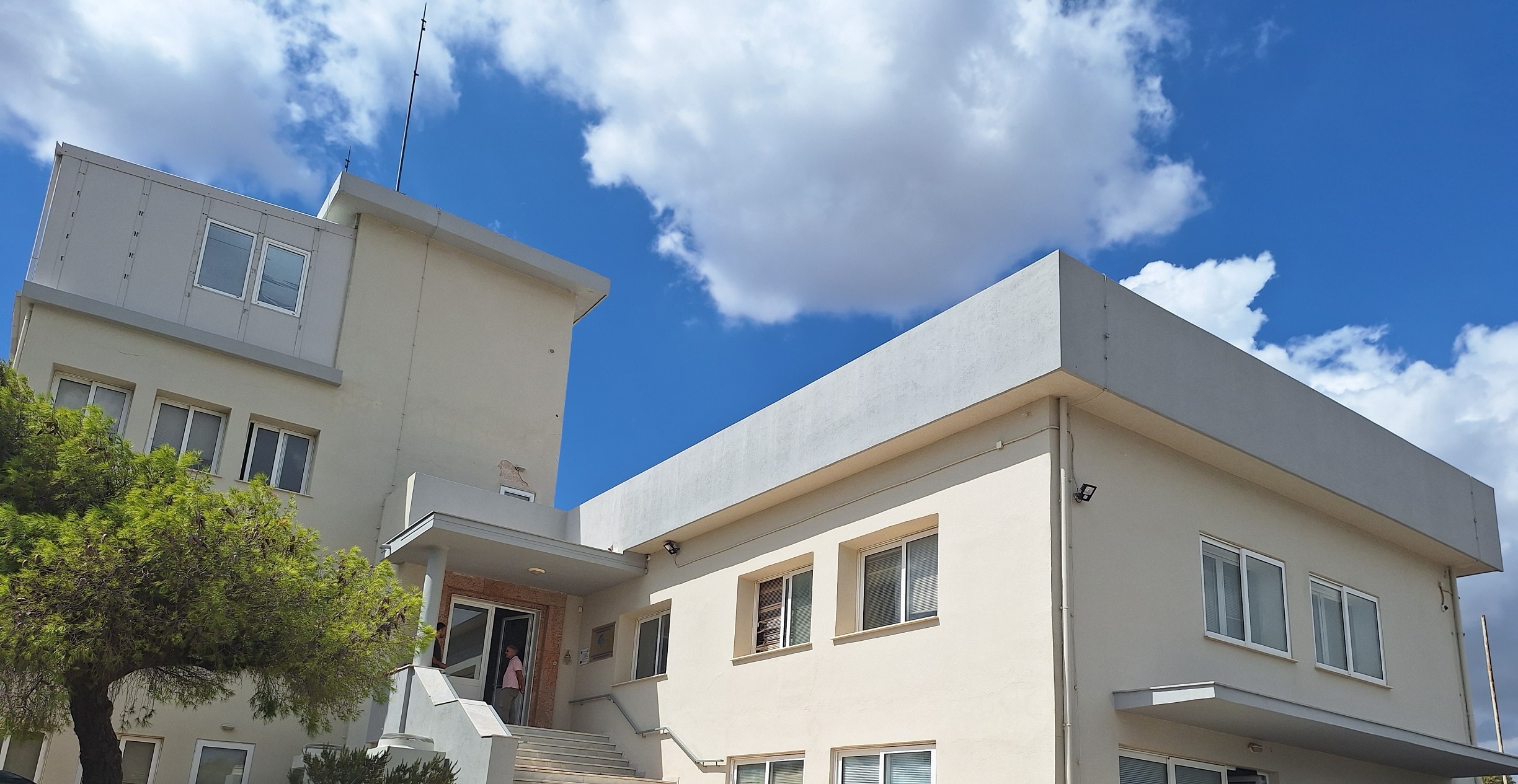
The IERSD is located in Penteli, on Koufou Hill, approximately 20 km northeast of Athens city. The Penteli building houses almost all the offices of the Institute’s staff. Some IERSD offices are still hosted in the historic buildings of the NOA in Thissio, on Nymphs Hill, near the Acropolis, while some of the Institute’s science outreach activities (lectures, workshops, seminars, etc.) take place in the NOA building in Penteli, which also houses the historic Newall telescope.
The Institute has many important infrastructures that support its research activities and services provided.
Atmospheric Chemistry Laboratory
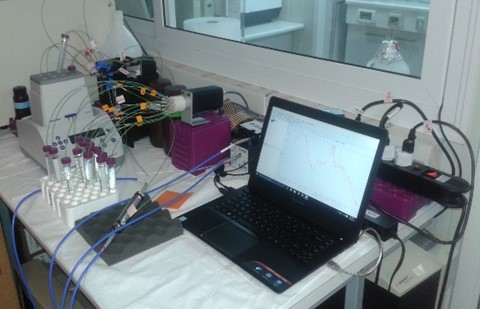
The Atmospheric Chemistry Laboratory (ACL) was established in 1996 and is located at the premises of the Institute of Environmental and Sustainable Development, on Koufou Hill in Palaia Penteli. At the ACL, targeted measurements of chemical compounds that are harmful to the environment and public health are carried out, with an emphasis on suspended particles. The measurements are carried out using modern determination methods, with an emphasis on components included in the EU Air Quality Directive. The immediate goal is to provide high-quality services for determining the composition of atmospheric samples, in line with EU requirements and providing information to government agencies and society, with the aim of protecting the environment and public health.
Mobile Air Pollution and Noise Control Station
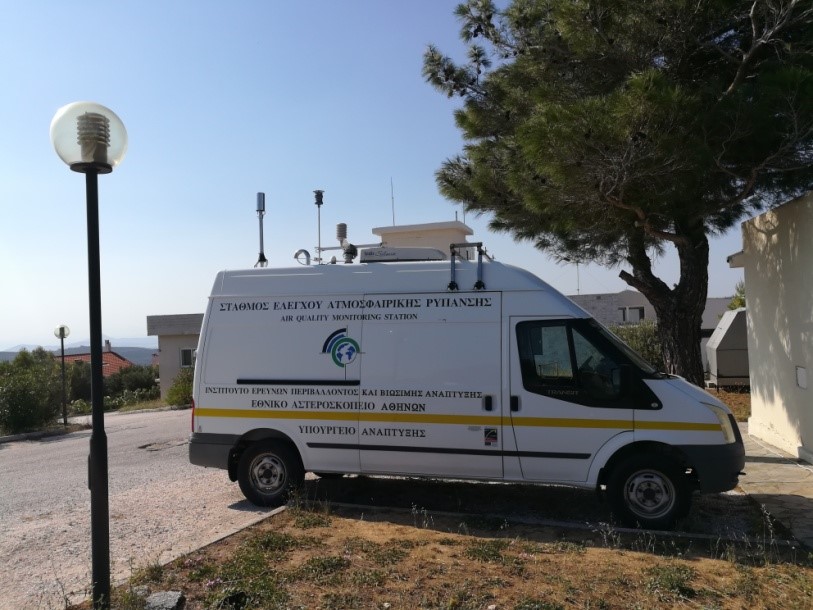
The mobile station carries a meteorological station and complete air quality monitoring equipment, with instruments for measuring the main atmospheric pollutants, in a specially designed and air-conditioned space. At the same time, it is possible to install additional specialized equipment, depending on the needs. The mobile station can provide services, including to local government agencies. Additionally, it provides the ability to carry out environmental noise measurements in accordance with current legislation, as it can be equipped with modern Class A sound meters to record noise levels.
Urban Background Atmospheric Pollution Monitoring Superstation
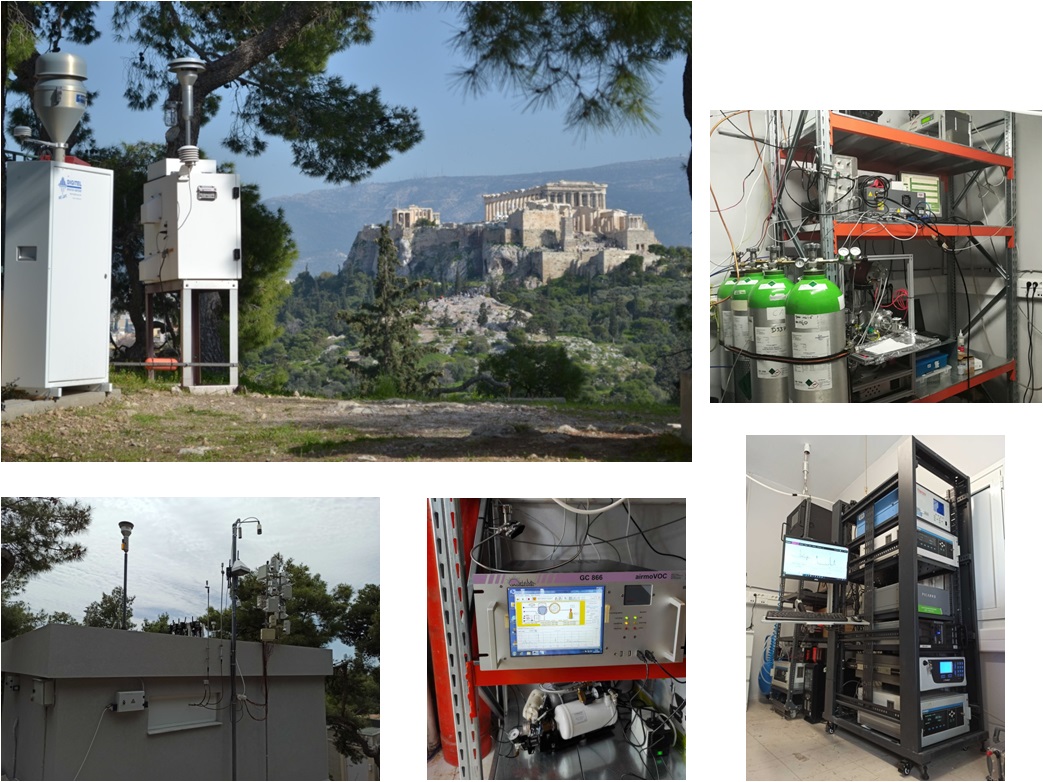
The Hyperstation has been operating at the NOA facilities in Thisio since the end of 2013 on an uninterrupted basis. It is a representative urban background station for Athens, and its purpose is to study the suspended particles and their properties in the atmosphere, while at the same time recording the levels in the atmosphere of statutory air pollutants and greenhouse gases. The station’s equipment enables near-real-time measurements with high temporal resolution, with the aim of conducting cutting-edge basic and applied research and improving the services provided..Also, sampling is carried out systematically for specialized chemical analyzes on air samples.
Sensor Networks for Air Pollution Monitoring
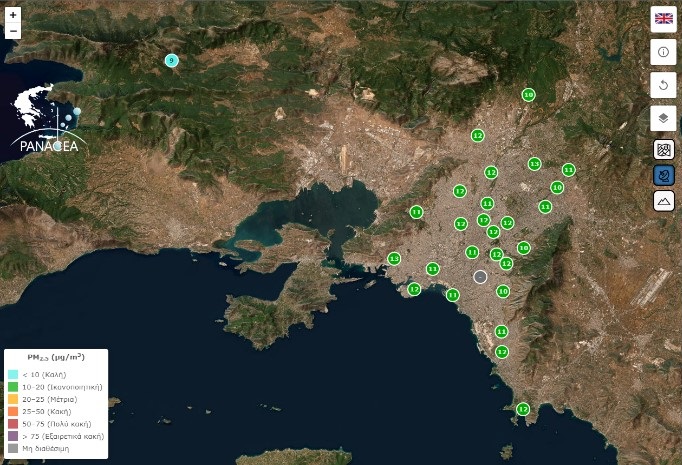
The IERSD has developed, since 2018, in Attica and other regions of Greece, air quality measurement networks based on sensor technology, with the aim of mapping urban air pollution at a high spatial resolution and assessing the population’s exposure to it. The central infrastructure is the network of sensors for the monitoring of PM2.5 fine particles, which is being developed nationwide as part of the PANAKEIA research infrastructure (https://panacea-ri.gr/) by IERSD/NOA in collaboration with domestic Universities and Research Centers. In 2024, the network numbered over 100 measurement sites in 25 cities nationwide, with more than 30 sites operating in Attica under the direct supervision of IERSD. The results of the measurements are presented on a continuous basis and in real time on the online platform https://air-quality.gr. Also, IERSD has developed a network of sensor systems with the possibility of simultaneous measurement of multiple gases and particulate pollutants in the Attica Basin.
Historic Meteorological Station
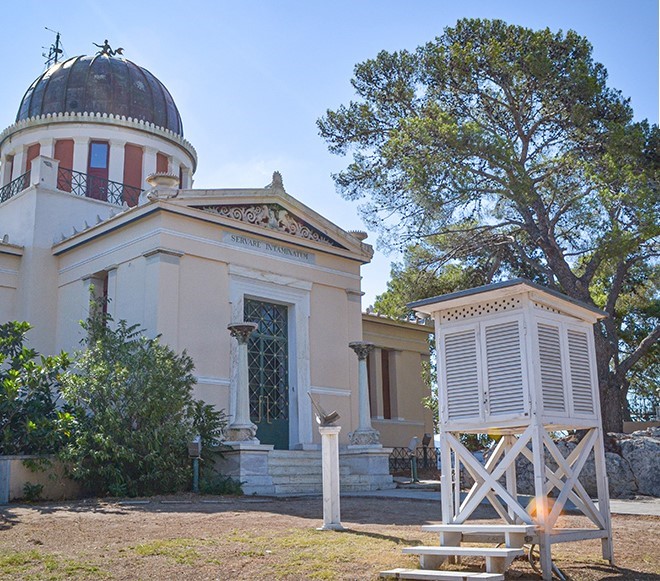
The historical Meteorological station has been operating continuously in Thisio since 1890 and has the longest, most complete and most reliable climate record in Greece. The historical climate archive of the NOA is the only source of information on climate changes in our region, but also in the wider region of the Eastern Mediterranean, during the pre-industrial period.
Network of Radiometric Stations
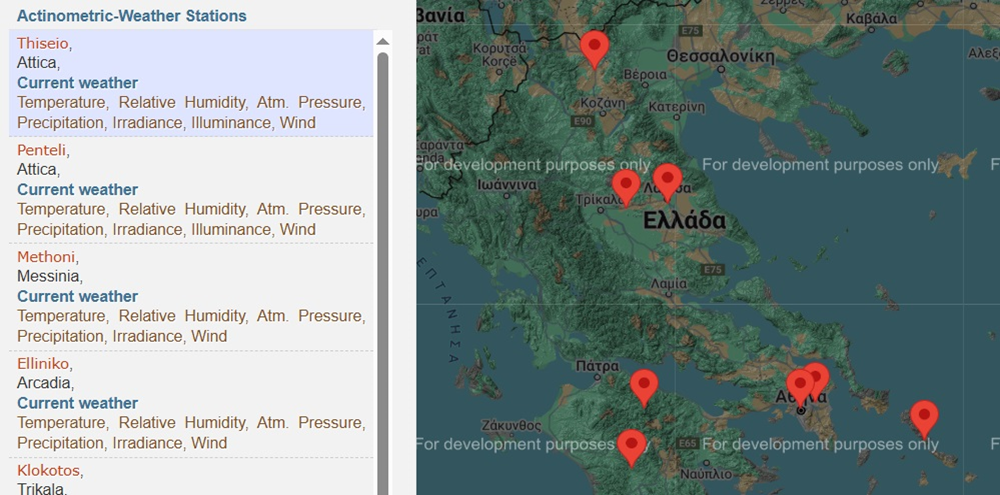
The first Radiometric Station of the NOA has been operating continuously since 1953 in Thisio. It is the oldest station in the country, while it is characterized as “urban”. A second, automatic radio-meteorological station has been operating at the IERSD facilities in Penteli since the beginning of 2000. Both stations follow international operating standards. Since 2011, the expansion of the network of radiometric stations of the IERSD has begun in areas outside the prefecture of Attica, currently numbering eight.
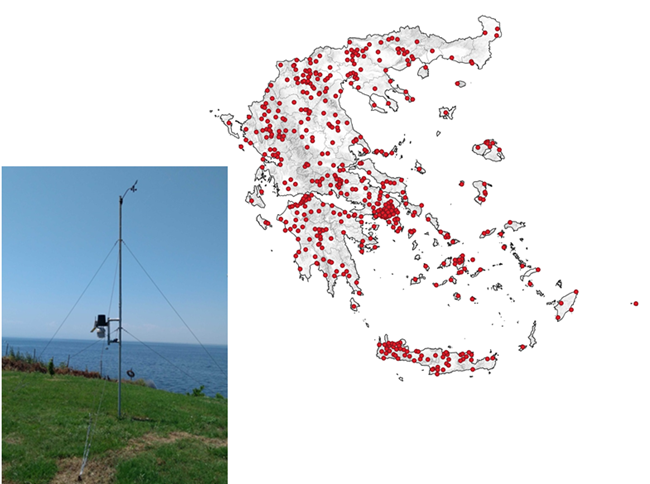
Network of Meteorological Stations
With more than 580 automatic stations in Greece, it provides measurements of meteorological parameters in real time (www.meteo.gr). It is the densest network of weather stations in Greece. The largest part of the stations is included in the OSCAR database of the World Meteorological Organization and the operational data assimilation of the European Center for Medium-Range Weather Forecasts (ECMWF).
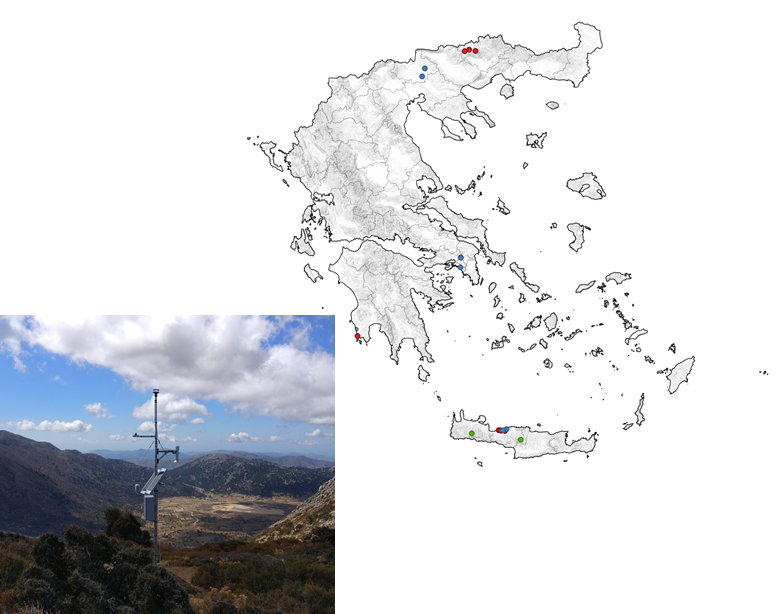
Network of Environmental Parameters Measuring Stations
In addition to the network of automatic meteorological stations, a network of other measuring environmental (atmospheric and hydrometeorological) parameters operates, providing measurements in real time (www.meteo.gr). The measurements concern suspended particle concentrations for the certification of dust transport forecasts, as well as snowpack height and water level for the certification of snow and flood risk forecasts respectively. These networks have been installed and operate in order to meet the needs of early warning systems that have been developed and operate for specific municipalities/regions of the country.
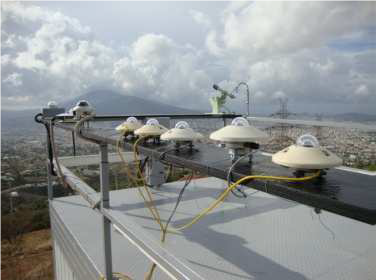
Meteorological Instrument Calibration Laboratory
The Laboratory has been operating since 1996 with the aim of carrying out calibrations of meteorological and radiometric instruments such as thermometers and thermographs, hygrometers and hygrometers, barometers, pyranometers, pyroliometers, photometers and rain gauges, while, having proprietary calibrated standard equipment, it has the possibility of carrying out specialized precision measurements on behalf of companies and institutions, both public and and the private sector, while offering consulting services and technical support for the use of meteorological/radiometric sensors and instruments.
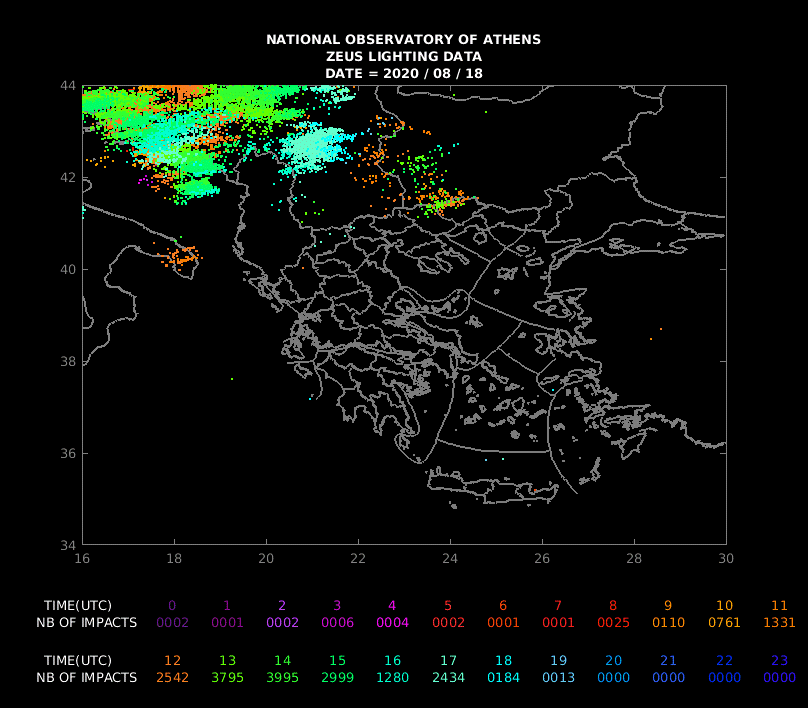
ZEUS Lightning Detection Network
The ZEUS network has been operational since 2005 and has sensors at six locations across Europe. Network measurements and real-time lightning tracking in Europe and the Mediterranean are presented on the website https://www.meteo.gr/thunders.cfm.
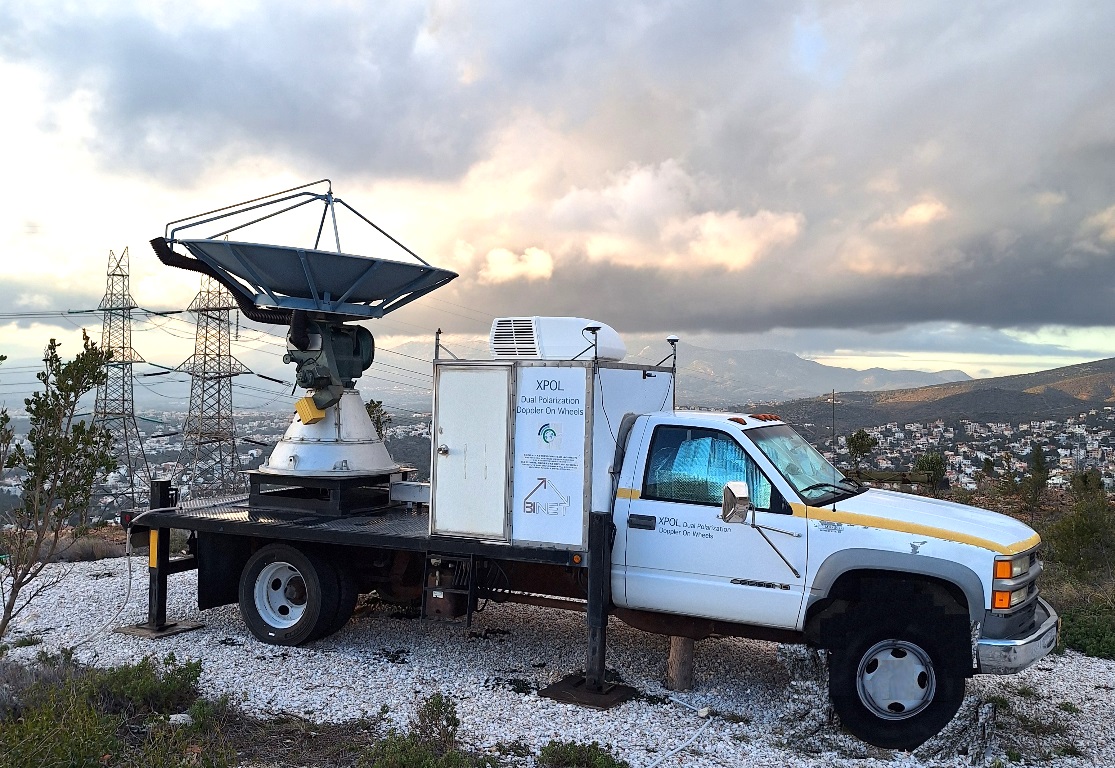
Weather Radar
The self-propelled double-polarization Doppler meteorological radar operates at the IERSD facilities in Penteli, while it can also be transported outside Attica for research purposes. It records in real time the rainfall and general atmospheric precipitation within its range up to 120 km. Combined with a nationwide network of lightning detection sensors and meteorological forecasting models, the meteorological radar is used for short-term weather forecasting, which is presented on the website https://nowcast.meteo.noa.gr.
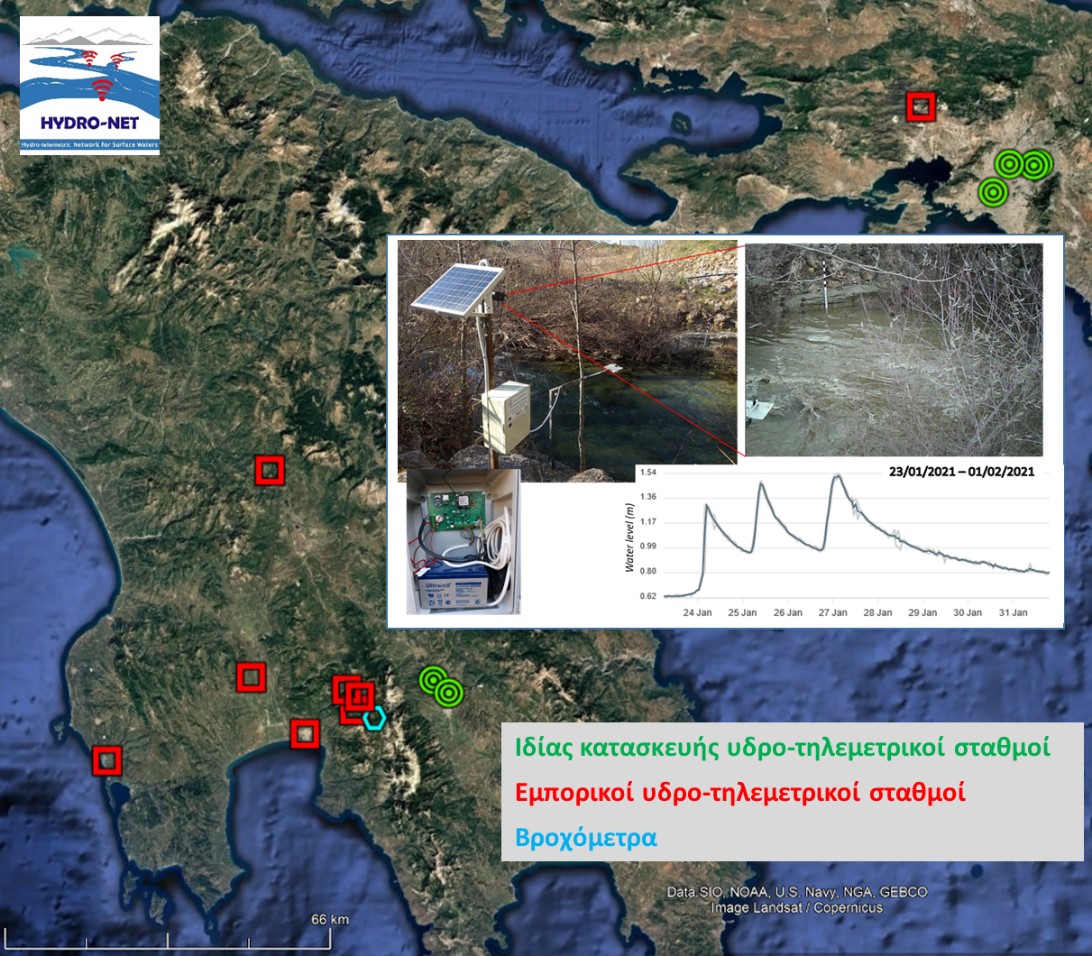
HYDRONET Hydro-Telemetry Stations Network
HYDRONET is a pilot flow monitoring network in water streams, which started operating in 2018 as a continuation of older networks. It consists of hydro-telemetric stations and rain gauges installed in watersheds of significant interest in Attica and the Peloponnese (https://hydronet.noa.gr). HYDRONET provides near real-time online access to data. The network consists, in addition to commercial stations, of telemetry stations designed and manufactured by NOA, with approximately 50% lower costs and additional capabilities.