









Two centuries of contribution to research and society
The Institute of Environmental Research and Sustainable Development (IERSD) operates in the broader field of environment, conducting cutting-edge research and developing services for the State and society. It was the country’s first Meteorological Service (1858) with the commencement of systematic daily meteorological observations (1858), while in the first decades of the 20th century, a Weather Forecasting service operated for the first time. Concurrently, it established the first Network of Regional Climate Stations in the country (Aiginitis Network) (1893-1931). Furthermore, in 1953, the first radiometric station in Greece was founded and operated, and it was the first official air quality monitoring service in the late 1960s. A significant and internationally recognized contribution of IERSD is the data from its historical climate station, which was upgraded to a Class A station in 1890 and permanently moved to the NOA facilities on Nymphs Hill in Thissio, where it has operated continuously to this day. In 2017, along with 60 other century-old stations worldwide, the historical climate station of Thissio received official certification from the World Meteorological Organization for its contribution to climate study on a centennial scale. IERSD’s historical climate archive is the sole source of information on climatic conditions in our country during the pre-industrial period. Today, the Institute’s vision is:
The safeguarding of a healthy environment and well-being for current generations
and the building of a sustainable and resilient future for future generations,
through innovative research and collaboration to address multiple
environmental degradation and the climate crisis
The Institute operates in an era of particular and complex challenges for humanity, and in a geographical area where these challenges are magnified. The triple planetary crisis, which includes climate change, air pollution, and biodiversity loss, creates new fields and opportunities for interdisciplinary and collaborative research and action.
Addressing climate change and other environmental pressures arising from it, as well as general anthropogenic interventions in nature, requires both the development of technological solutions for mitigating impacts and the implementation of adaptation strategies that will ensure the resilience of societies to new environmental conditions. In this context, the Institute is called upon, while strengthening its basic research in its fields of expertise, to develop ways to transform the results of its basic and applied research into holistic solutions that will support the implementation and interconnection of a series of international, national, and local policies and plans, for the benefit of society as a whole.
Strategic Goals of the Institute 2025-2028
Research

Atmospheric Environment
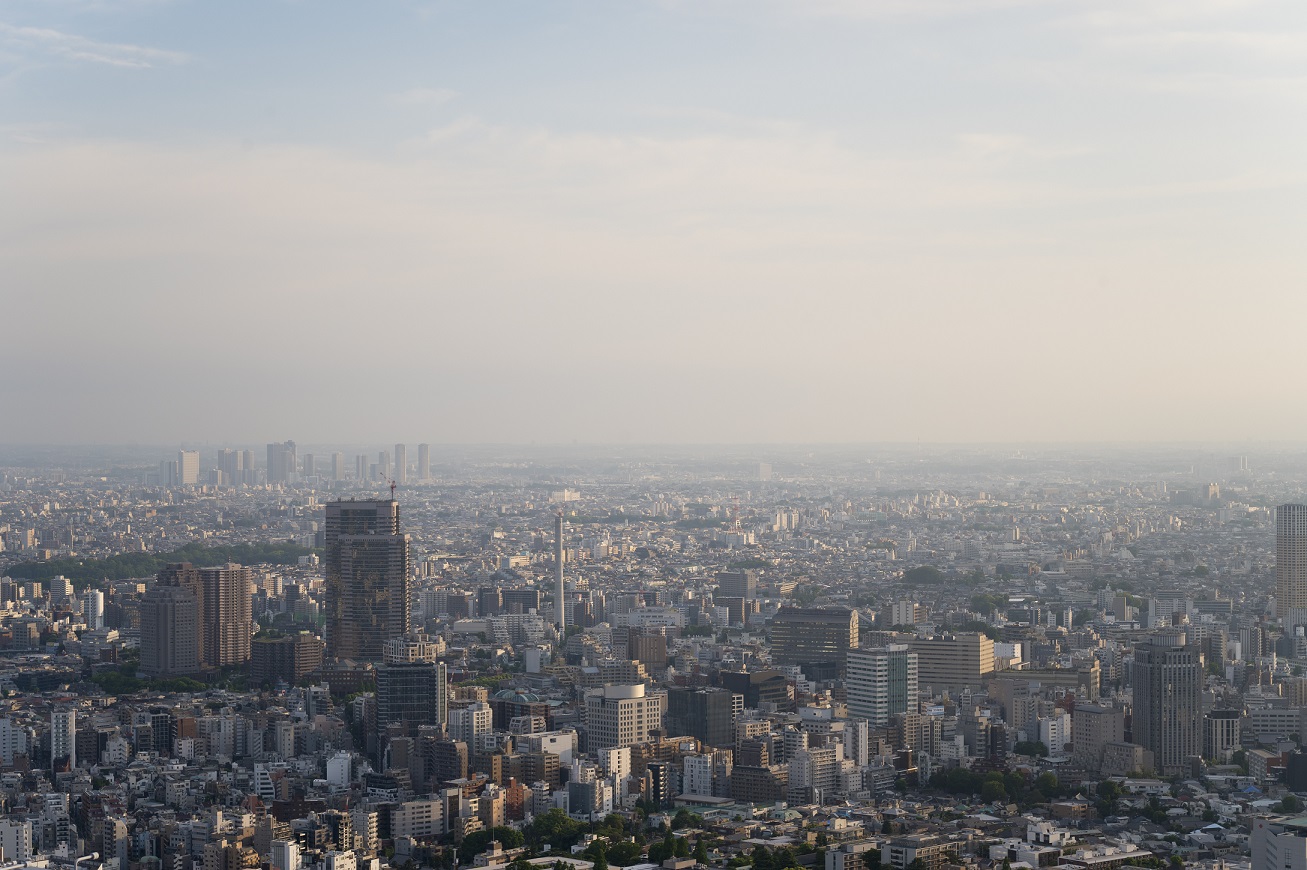
For cleaner air and a healthier future, we study and understand the physical and chemical processes of the atmosphere, protecting the environment and improving quality of life.
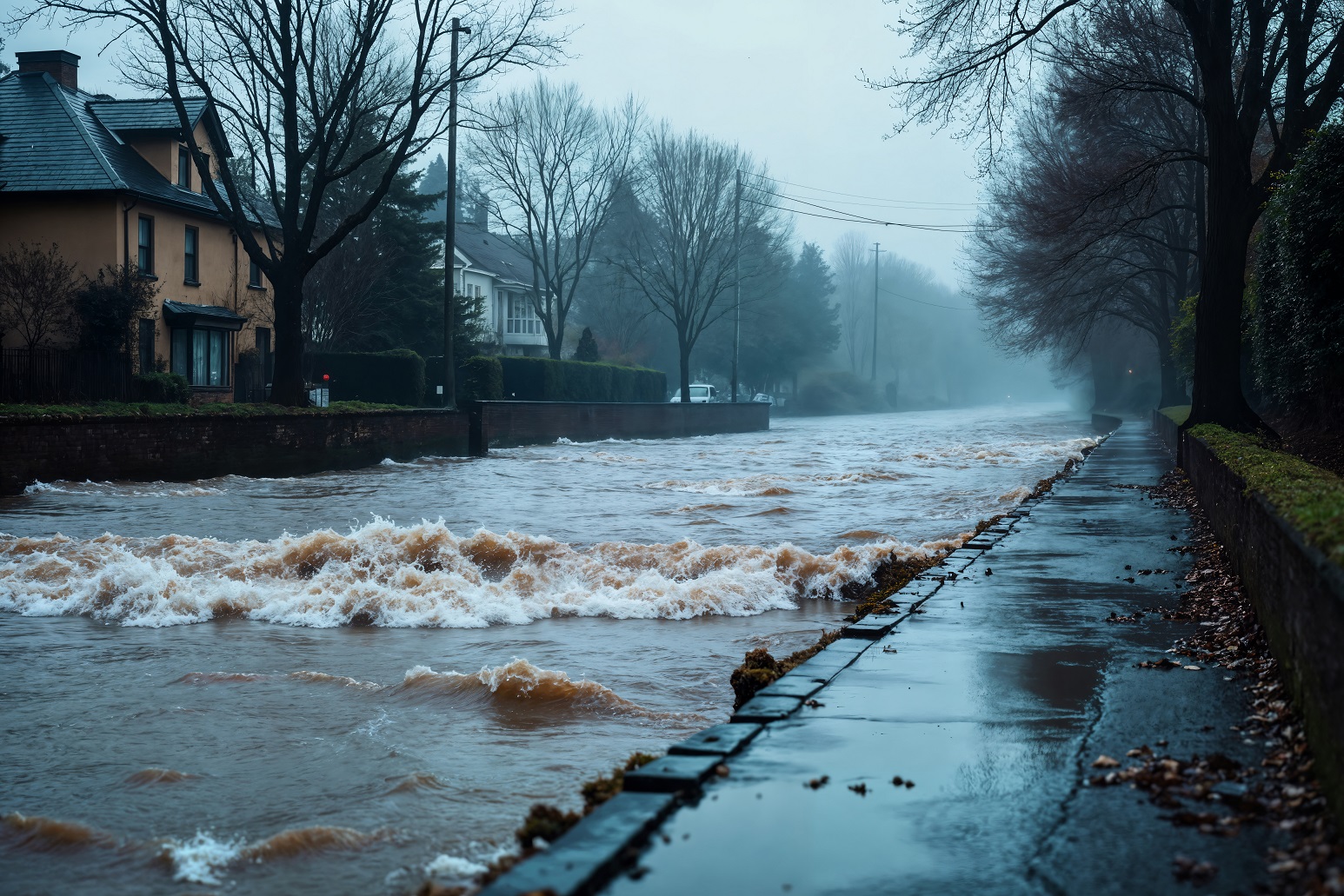
Meteorology and Hydrology
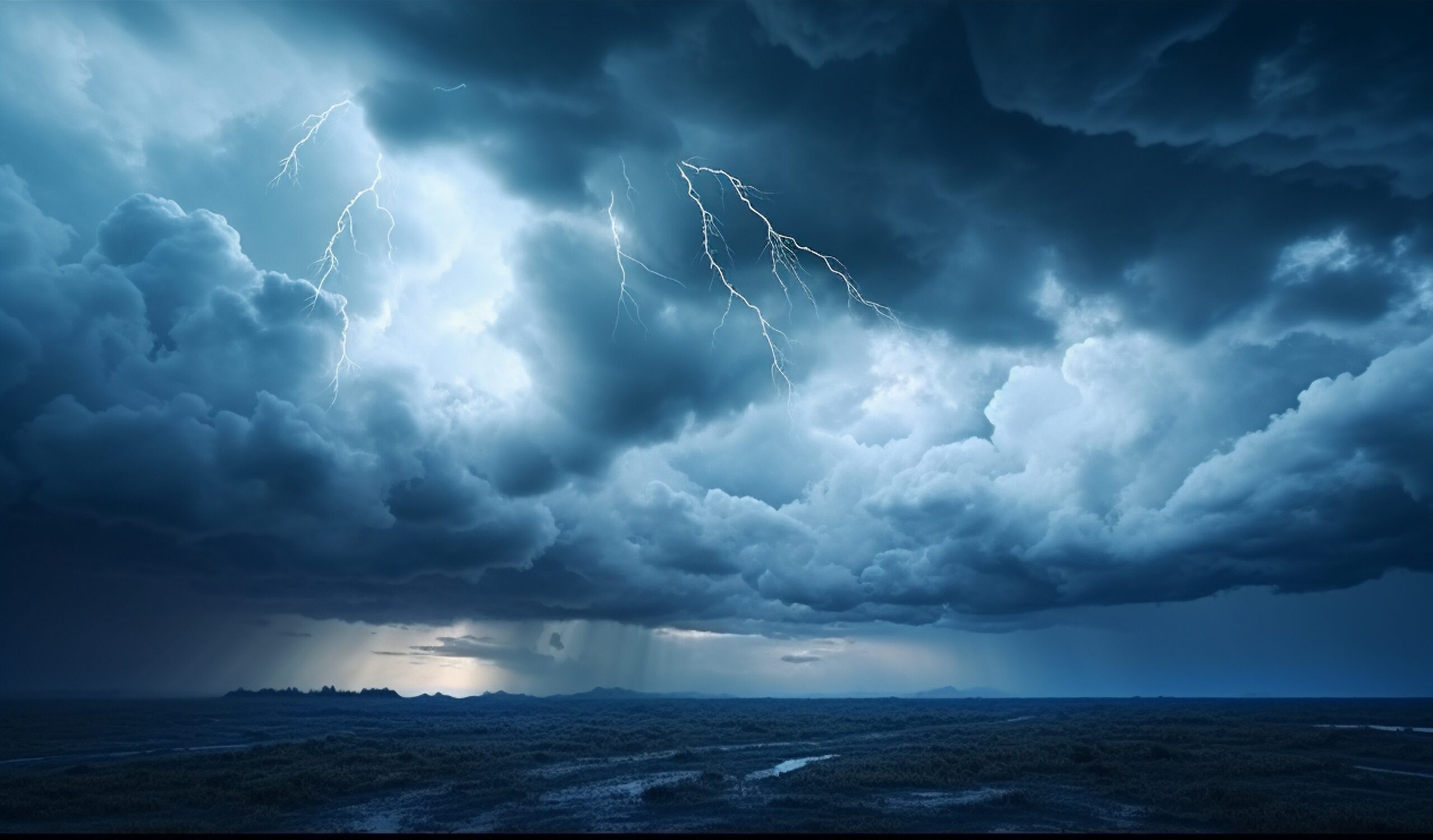
Observation, Forecasting, Warning: We enhance readiness and resilience in a changing climate with extreme hydrometeorological phenomena and changes in the hydrological cycle.

Climate and Climate Change
The relationship between climate change and the environment, economy, and society is complex. Investigating it is a key research priority for IERSD.

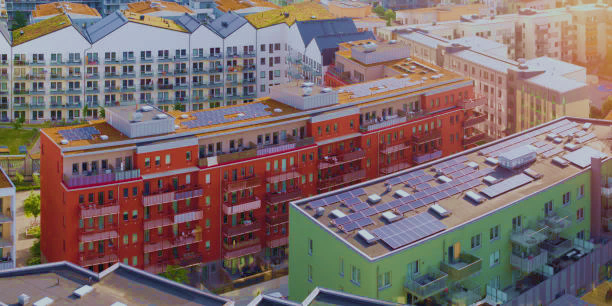
Energy
Promoting energy saving and the utilization of Renewable Energy Sources (RES) is a key priority for IERSD, aiming at the rational use of resources, strengthening energy security, and effective energy transition.
Services












IERSD offers high-quality services in the fields of environmental protection and sustainable development by developing and implementing reliable quantitative and qualitative methodologies, utilizing high-quality infrastructure and equipment, and providing data and results that fully meet the needs of end-users, as well as technical support from specialized personnel.