


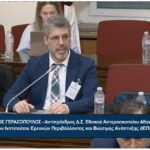



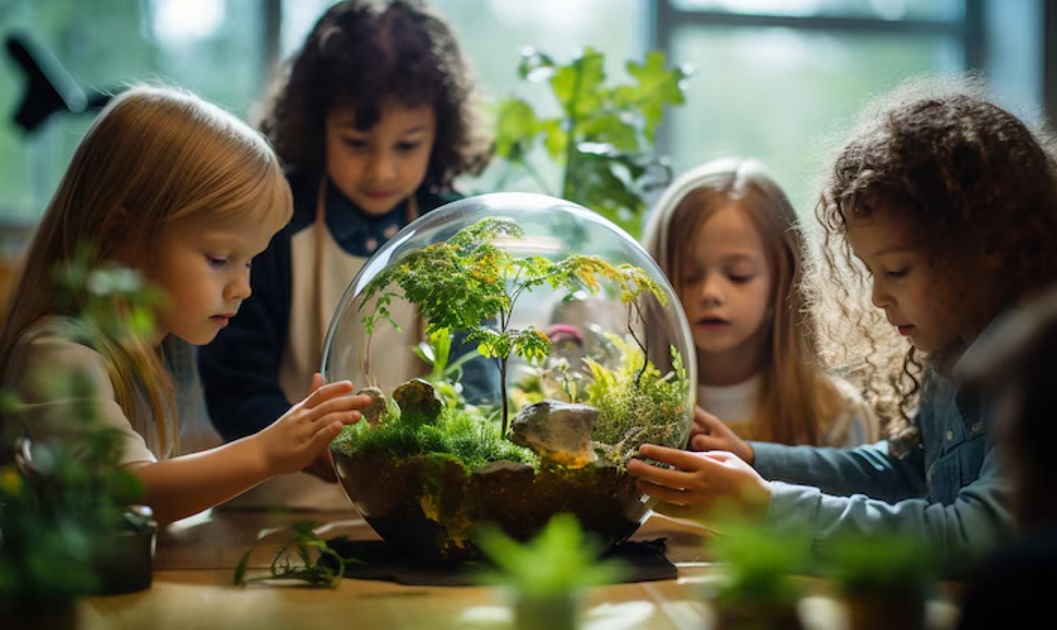
IERSD places particular emphasis on outreach and the dissemination and communication of research and scientific knowledge. Beyond the research community, IERSD aims to engage various groups, such as educational institutions, university and school students, decision-making centers, industry/business professionals, and the general public.
The Institute has integrated and supports a series of actions aimed at informing, raising awareness, and sensitizing the public to contemporary environmental issues. Through these actions, citizens are informed about modern scientific developments, research results, and services produced at the Institute, as well as the environmental impacts and effects of climate change in various sectors, and are encouraged to take measures to address them. Outreach activities include organizing public events and participating in European Research Dissemination Programs, researchers’ talks to the general public, educators, and students, articles in science popularization magazines, educational programs, media presence, etc.
Through its significant and continuous media presence and regular press releases, IERSD ensures ongoing and authoritative public information, promotes its research findings, and its scientific announcements and events, while actively participating in public discourse and contributing to public opinion formation. At the same time, the Institute has already developed significant activity in the field of implementing interactive educational programs and actions, targeting various levels of education, as well as the general public.
Actions
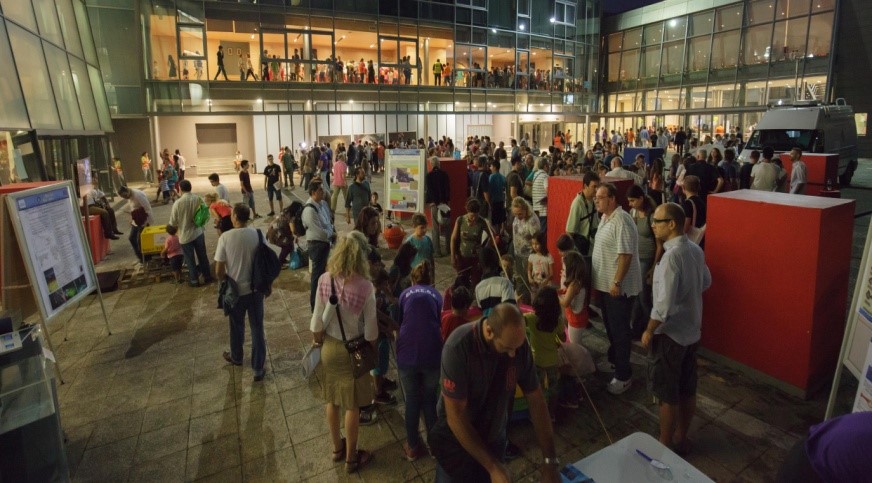
European Research Dissemination Programs
For at least the past 10 years, IERSD has actively participated in European Dissemination Programs such as the European Researchers’ Night & Researchers at Schools/ MSCA & Citizens – Marie Skłodowska-Curie Actions, where the NOA is a main partner and/or event coordinator.
IERSD has significant educational activity through the development of modern educational programs and actions aimed at different levels of education, interactive exhibitions, co-organization of postgraduate programs and summer schools, etc.

Other Dissemination Activities
Researchers’ talks to the general public, interviews and articles in the media, articles in science popularization magazines, visits to schools and student workshops, social media operation, etc.
IERSD’s goal is for research results to reach society, serving the collective well-being.