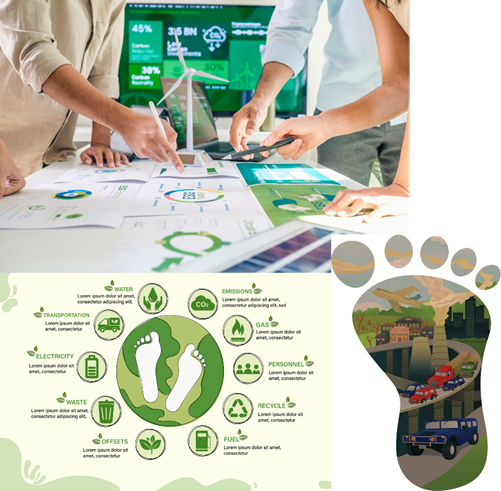
Carbon and Environmental Footprint

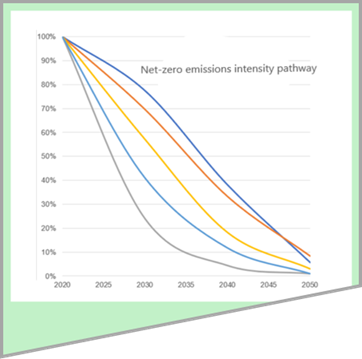
Long-term Climate Projections

Support for end-users in assessing the carbon/environmental footprint of their activities and/or products, in setting reduction targets for it, and in drafting reports

01.
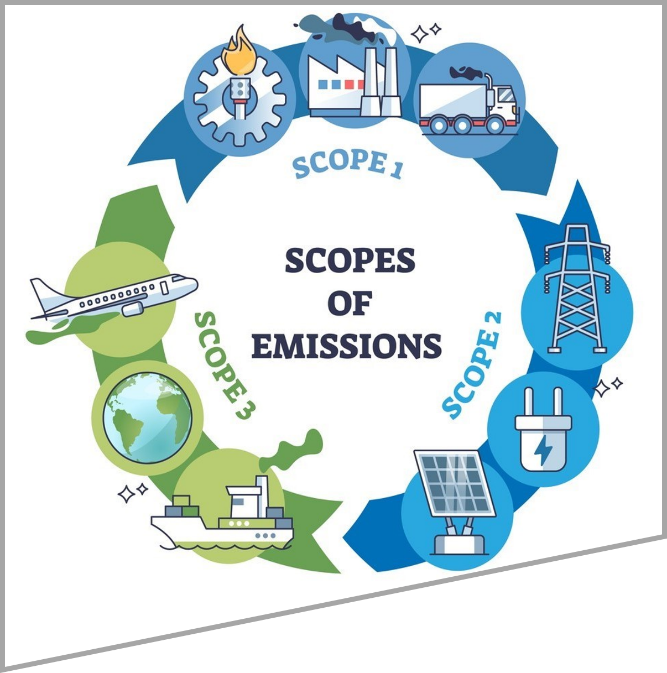
Scope 1, 2, and 3 Emissions
Calculation of Scope 1, 2, 3 greenhouse gas emissions from activities and/or products, based on international standards
02.
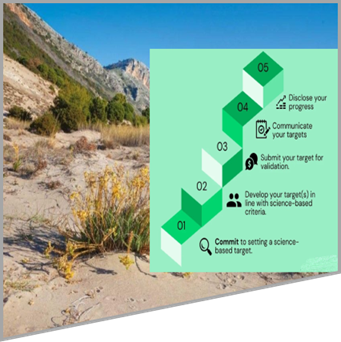
Scope 1, 2, and 3 Target Setting
Setting reduction targets for Scope 1, 2, 3 greenhouse gas emissions, based on international methodologies (e.g., SBTi)
03.
Biodiversity Footprint
Calculation of biodiversity impacts from activities and/or products, based on international standards
04.
Biodiversity Target Setting
Setting targets for reducing the biodiversity footprint from activities and/or products
05.
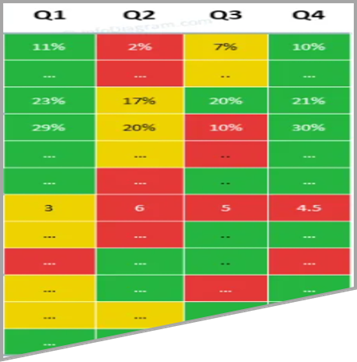
Target Monitoring
Calculation of Scope 1, 2, 3 greenhouse gas emissions from activities and/or products, based on international standards
06.
Materiality Analyses
Assessment of significant sources of environmental impacts from activities
07.
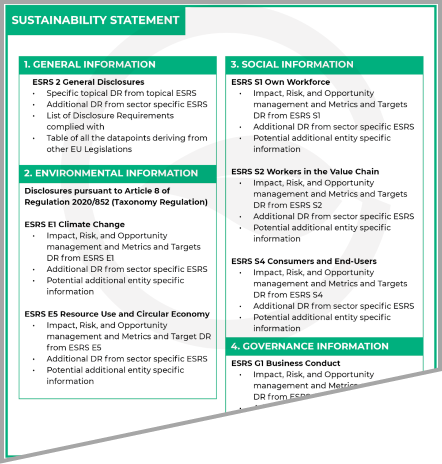
Sustainability Statement
Support in drafting corporate Sustainability Statements, within the framework of the Corporate Sustainability Reporting Directive (CSRD Directive)
08.
Sustainability Reports
Support in drafting Sustainability Reports for business activities
Businesses that, according to Article 20 of the Climate Law, are obliged to prepare and verify annual carbon balance sheetsLarge businesses that wish to calculate and publish their total carbon footprint, covering Scope 1, 2, and 3 emissionsLarge businesses that wish to calculate their biodiversity footprint
   
Businesses that wish to calculate their product carbon footprintMunicipalities and Regions, for calculating the carbon footprint of cities or broader areas of interest

Use of internationally recognized standards for:
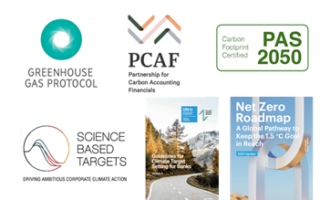

  • carbon footprint calculation (GHG Protocol, PCAF, PAS-2050)
  • setting greenhouse gas emission reduction targets (SBTi, NZBA)
  • developing strategies for reducing biodiversity impacts (SBTN)

Utilization of appropriate physical and economic activity data, depending on the nature of the activities carried out and the degree of accuracy required in footprint calculation

Reliable methodological tools (e.g., OECD input-output tables database) and internationally recognized databases (e.g., DEFRA, Exiobase), for determining the most appropriate emission factors per case

Close cooperation with the end-user, to ensure full understanding of their needs, and joint decision-making on the most suitable methodologies for assessing their footprint and for developing reduction strategies

Services

Researchers Publications