






HISTORY OF THE INSTITUTE
The Institute for Environmental Research and Sustainable Development (IERSD) is one of the three Institutes of the National Observatory of Athens (NOA), which was founded in 1846, making it the oldest Research Center in Greece and the Balkans.
The systematic daily meteorological observations and climate recording began in the early years of the NOA’s operation and have continued uninterrupted from 1858 to the present day, in the same location, at the IERSD facilities in Thissio (Nymphs’ Hill).
In 1898 (under D. Aeginitis), the NOA was legally divided into three Departments (Astronomical, Meteorological, and Seismological), while in 1942 these departments were transformed into autonomous Institutes.
The IERSD essentially constituted the country’s first meteorological service, establishing and operating a network of meteorological stations throughout the territory from the late 19th century until 1931, when the network was handed over to the then newly established National Meteorological Service (EMY).
Today, it possesses the oldest and most complete historical climate information database in Greece, covering a period of more than one and a half centuries.
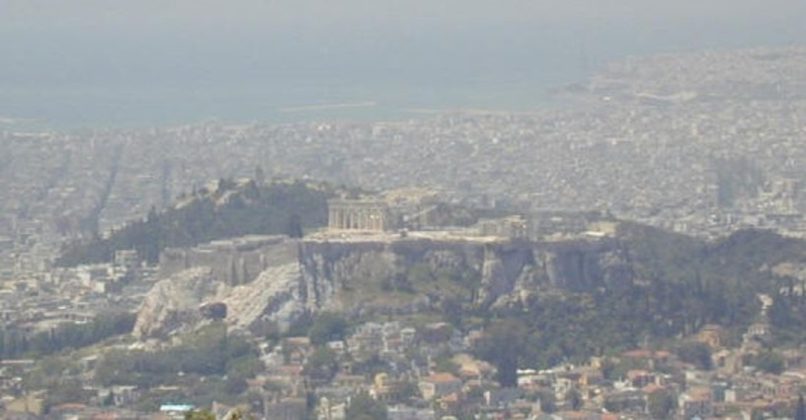
In 1969, the Institute was the first to begin recording air quality in Athens, by installing a network of six semi-automatic atmospheric pollution stations. The measurement results are published in the NOA’s Annual Atmospheric Pollution Bulletins. The atmospheric pollution stations operated under the NOA’s Directorate until 1984, when they came under the jurisdiction of the Ministry of Environment and formed the basis of the National Atmospheric Pollution Network in the country.
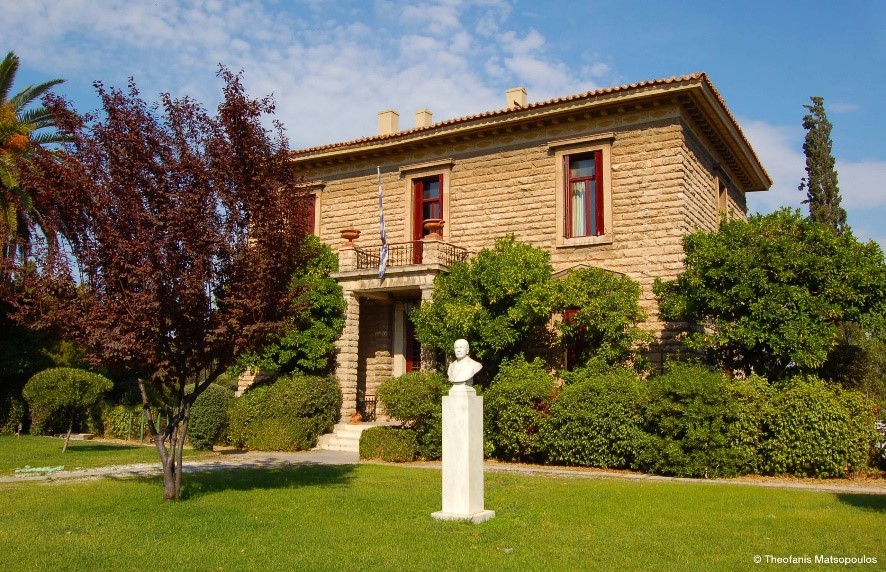
In 1986, the Meteorological Institute was renamed the ‘Institute of Meteorology and Physics of the Atmospheric Environment’ (IMPAE), a title more representative of its new activities – beyond Meteorology and Climatology – related to atmospheric physics, renewable energy sources, etc. At the same time, the Institute further develops and expands its infrastructure in laboratories and instrumental equipment, strengthens its research activities through collaborations with Research Centers and Universities in Greece and abroad, while continuing to provide services to the state, local authorities, and private individuals.
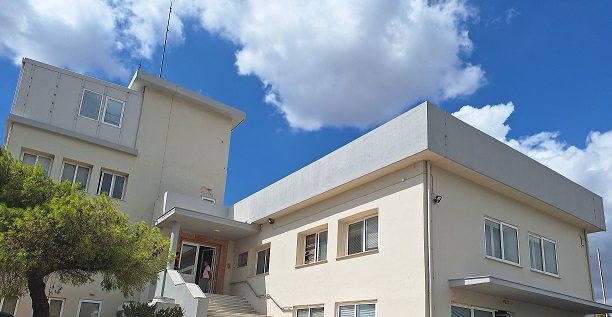
In 1999, the Institute was renamed the ‘Institute for Environmental Research and Sustainable Development’ (IERSD), responding to new challenges and demands for a sustainable environment. Its activities expanded further, mainly towards studying the impacts of development on the environment, the effects of climate change, hydrology and water resource management, air quality, and the rational use of energy.
Today, the IERSD has managed to become a national “contact point” for environmental issues, while simultaneously aiming to continuously enhance its competitiveness and provide high value-added services for the benefit of the national economy, society, and the environment.
Its research activities are structured into four research “Pillars” – Thematic Units (Atmospheric Environment, Meteorology and Hydrology, Climate and Climate Change, and Energy), with significant synergies among them. The Institute also provides many services to interested parties and citizens.